
Italy is a dream destination. At least until you realize thousands of people booked the exact same dream for the exact same afternoon.
In its busiest tourist areas, enjoying a beautiful street quickly turns into shuffling through a crowd, waiting for space, and wondering what the place would feel like if you could actually stop and take it in. It’s frustrating as a visitor. But imagine living there and having that endless flow outside your front door every single day. Tourism brings vital income, but treating every rise in visitor numbers as a victory ignores what residents and travelers lose when a place becomes overwhelmed.
We’re tourists too, and we contribute to it. That’s precisely why we should be able to admit when it’s too much: a destination can become so successful at attracting people that it starts losing the exact experience everyone came for.
The good news? That authentic, breathable Italian dream isn’t dead, it just shifted geography.
The Answer to Overtourism: The Riviera di Ulisse
If you trace the coast just south of Rome, past the clamor of the typical bucket-list hubs, you stumble upon a stretch of coastline where history isn’t roped off, and where the rhythm of daily life still belongs to the locals: “the Riviera di Ulisse“.
Long before modern crowds descended on Amalfi or Florence, this coast was a unique crossroads of history and myth. Stepping onto the Riviera di Ulisse isn’t just an escape from overtourism it’s an invitation to rediscover what travel used to feel like.
Highlights Along the Coast
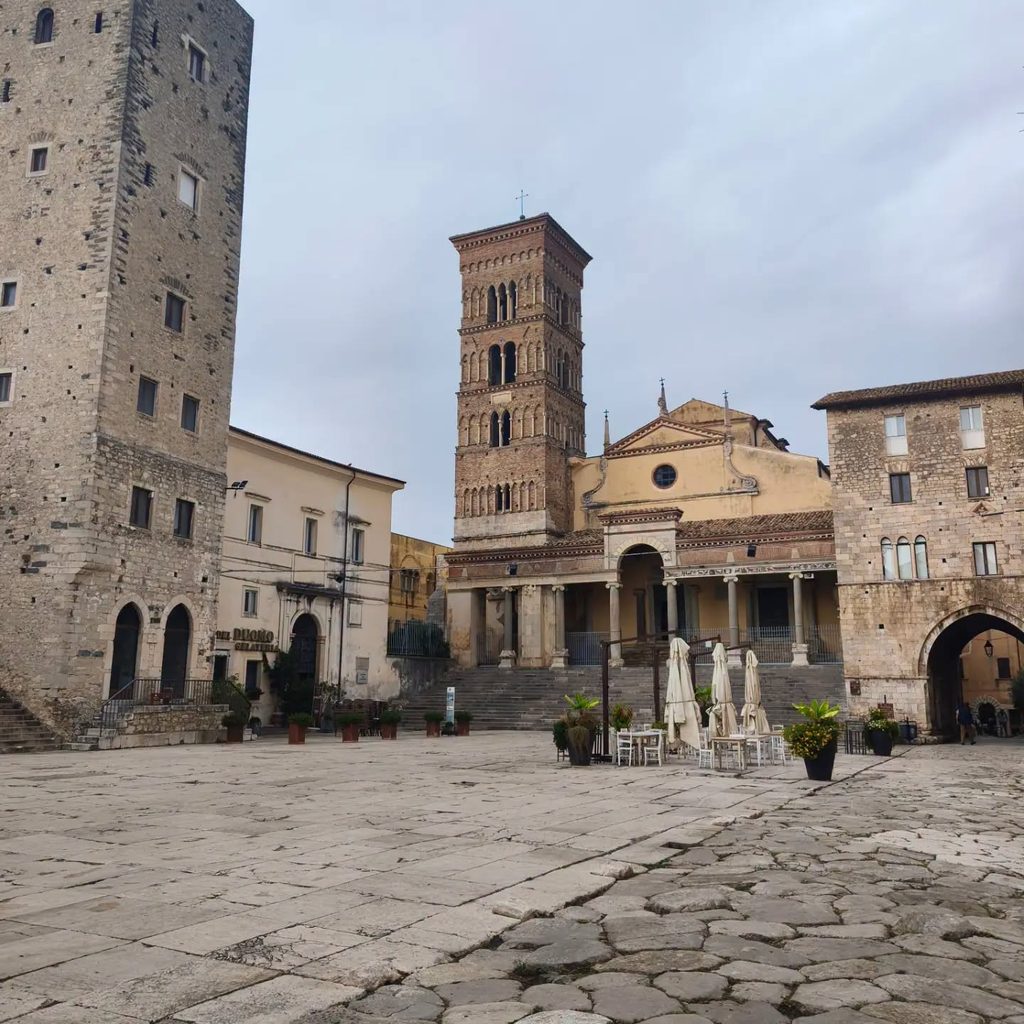
Terracina: Where dramatic cliffs meet the Tyrrhenian Sea, crowned by the massive Temple of Jupiter Anxur. Standing on the ancient acropolis looking out toward the Pontine Islands, you can wander through 2,000-year-old Roman foundations without bumping elbows with tour groups. Down in the old town, the original Via Appia pavement still echoes beneath your feet.
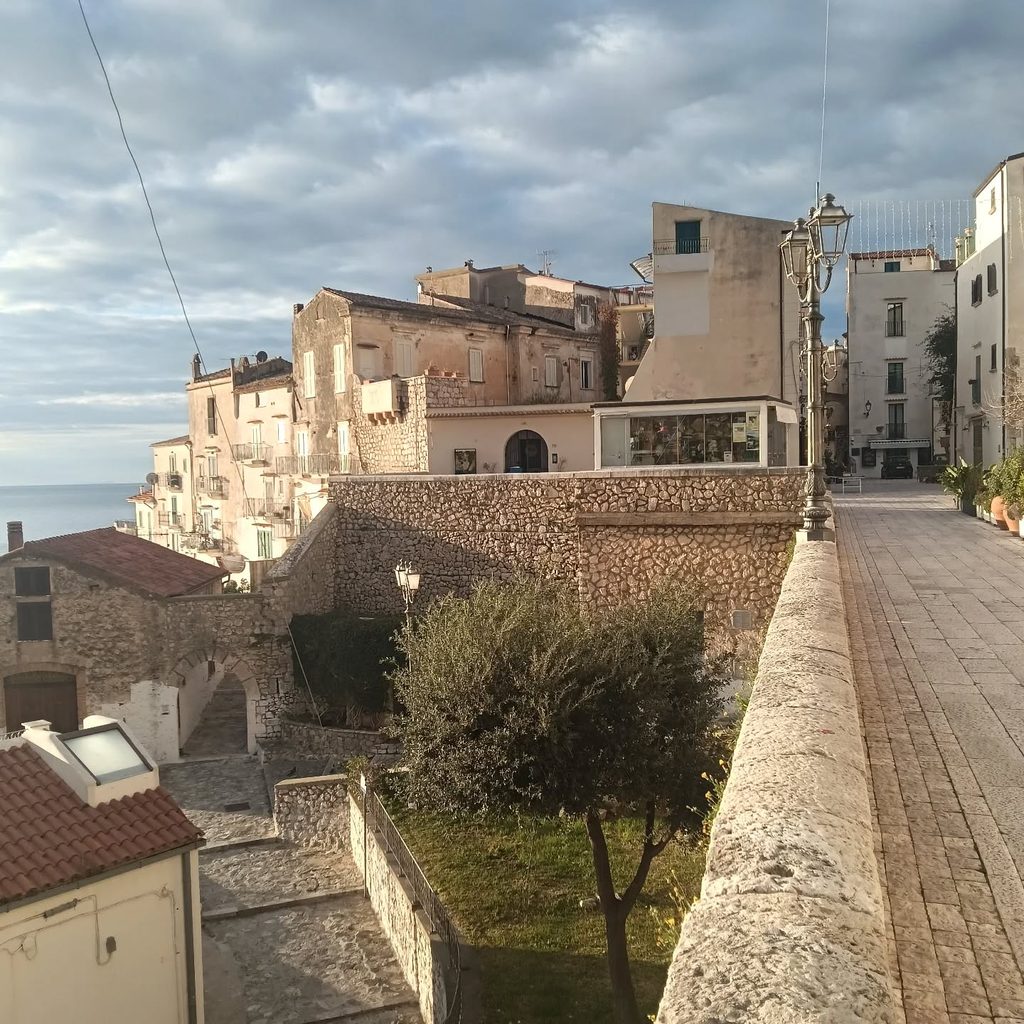
Sperlonga: Whitewashed alleys cascade down to a crystal-clear sea, reminiscent of an island village but grounded in deep history. At the water’s edge lies the Grotto and Villa of Tiberius, where the Roman Emperor built his summer retreat to feast among colossal marble sculptures depicting the adventures of Odysseus.
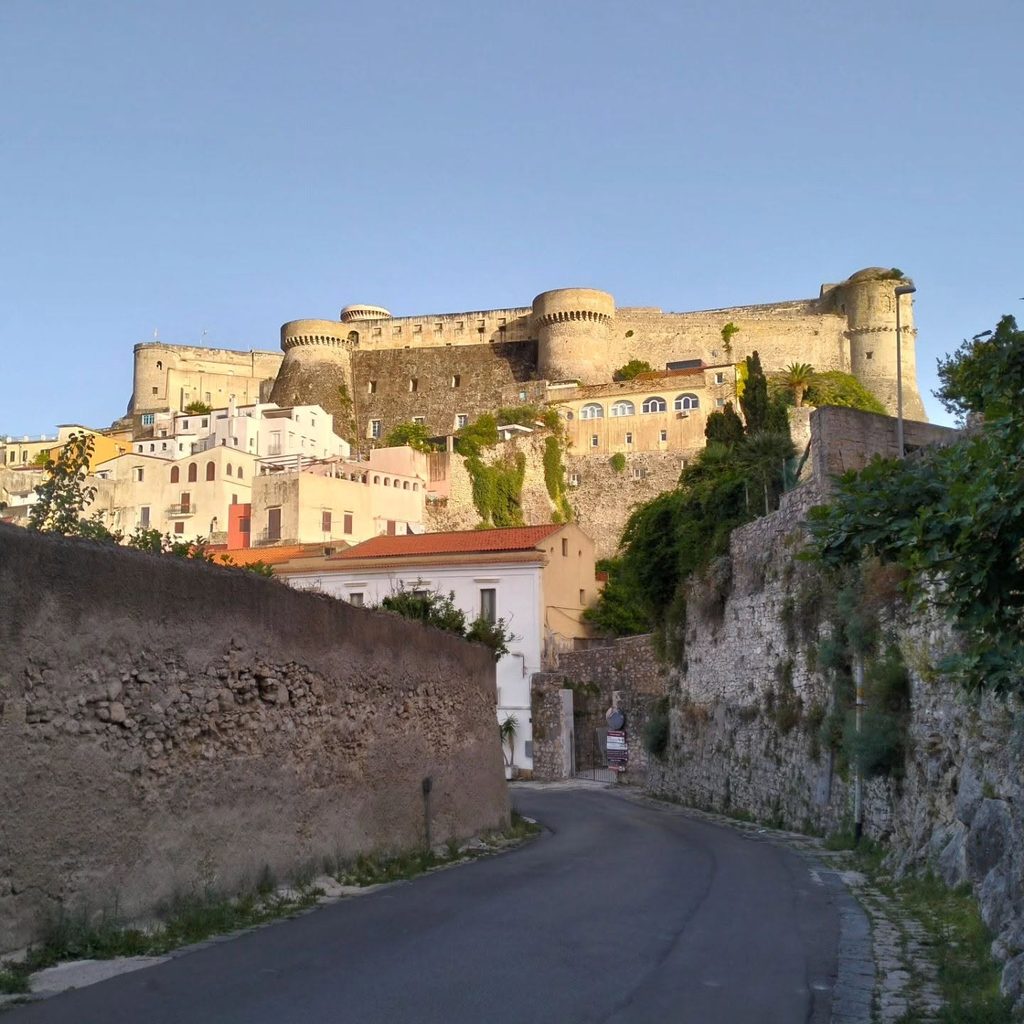
Gaeta: A legendary coastal fortress city perched on a rugged promontory. From the imposing Angevin-Aragonese Castle to the narrow, sun-drenched vicoli of the historic center, Gaeta offers authentic maritime culture, incredible seafood, and quiet sanctuaries like the Montagna Spaccata.
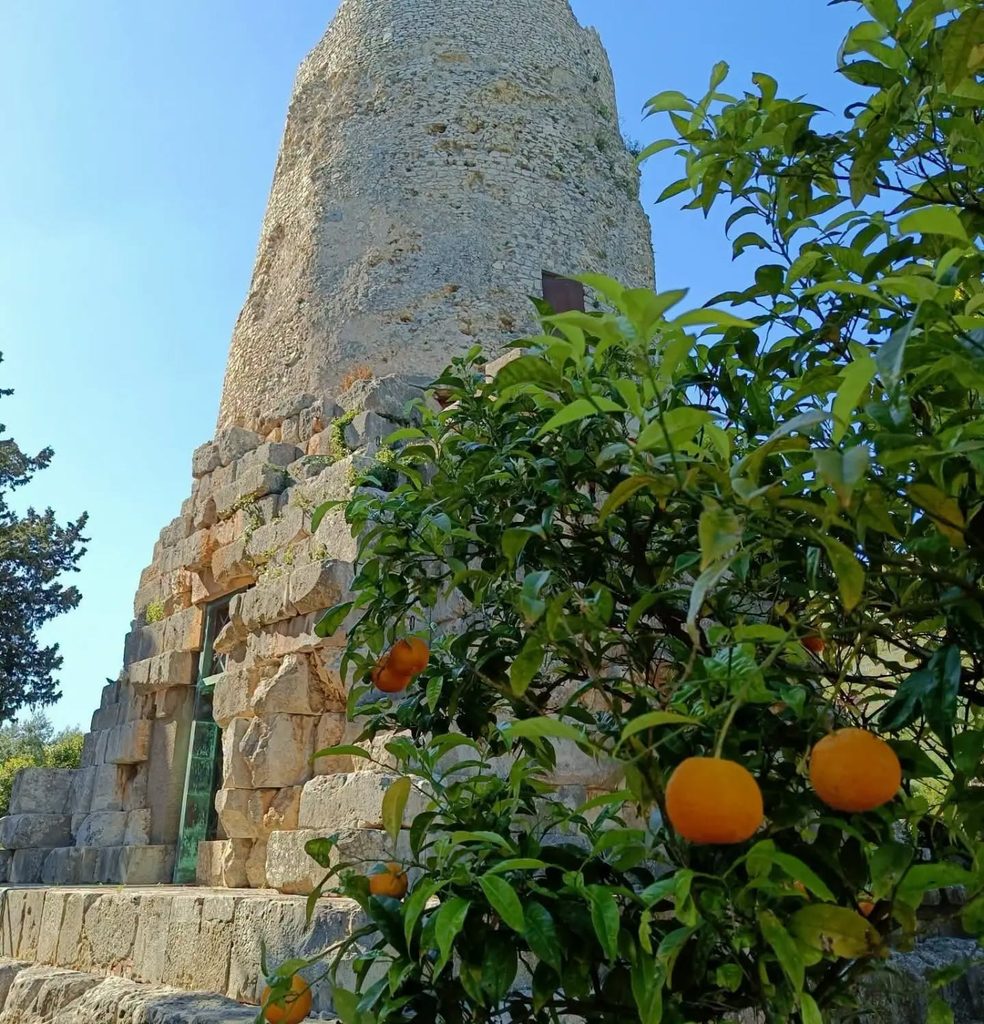
Formia: Nestled along the gulf, Formia was the favored retreat of Roman senators, including Cicero, whose ancient tomb still stands along the Appian Way. Beneath the modern town lies the Cisternone—one of the world’s largest ancient Roman cisterns, quiet, cavernous, and waiting to be explored.
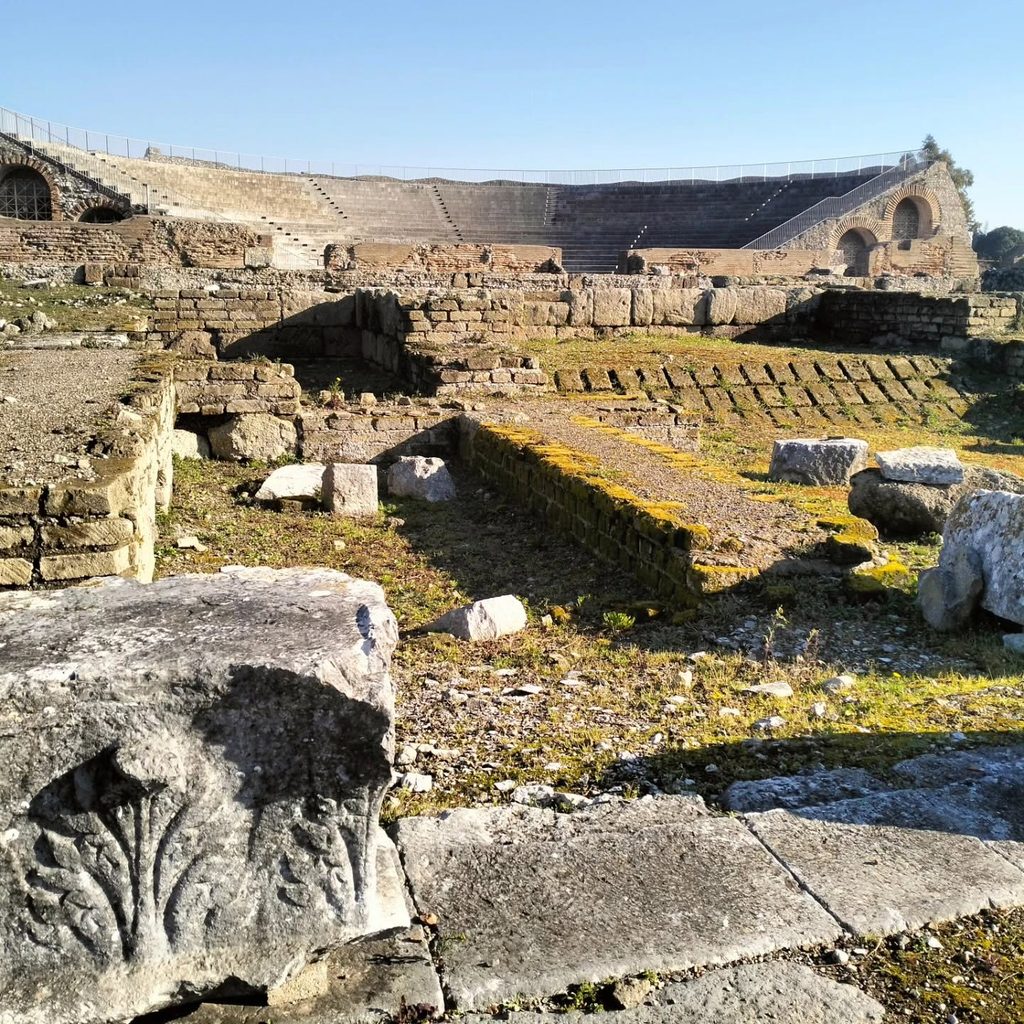
Minturno: Just across the Garigliano River, the archaeological site of Minturnae features an extraordinarily preserved Roman theater, aqueduct, and forum. It is one of the rare places in Italy where you can walk through an ancient city’s decumanus with only the sound of sea breezes and birdsong around you.
The Freedom to Actually Stop and Take It In
Choosing to explore places like Formia, Sperlonga, or Terracina isn’t just a better experience for you it’s a healthier choice for Italy. By spreading out beyond hyper-touristed hotspots, we relieve pressure on fragile historical centers while supporting local communities that truly welcome travelers.
You don’t have to sacrifice deep history, incredible food, or breathtaking sea views to avoid the crush. The Riviera di Ulisse proves that you can still pull up a chair at a quiet piazza, order an espresso or a glass of local wine, and actually take the moment in.
Exactly the way the Italian dream was meant to be experienced.
